The bad news is out, yet the market is still looking for a twist

The agenda is crowded: earnings from the US, bond stress in Europe, tech selling in East Asia and oil back above $110. On top of that came weak data from the US housing market. The picture looks gloomy, yet market positioning keeps a surprise move possible in the short term.
In Brief
- Brent oil is above $110; cost pressure has become clear in producer inflation.
- US pending home sales fell in September to lows not seen since the pandemic.
- Bearish positions dominate the S&P 500; that crowding raises the chance of a short-term rebound.
AI pays, but the bill is growing
The AI story is not over; companies keep growing. The real question is how long it will take for the huge spending to pay back.
Meta is the clearest example. Revenue came in well above expectations, but its annual capital spending target rose to the $135-145 billion range.
After the earnings, tech stocks sold off in Japan, South Korea and China. That pressure spread across markets through the day.
Oil and bonds: the cost floor is rising
Brent is above $110 and US crude above $100. When oil rises, shipping, production and intermediate goods costs go up; the effect reaches consumers with a delay of a few months.
The first signs showed up in US producer prices (PPI). The commodity rally of August and September takes roughly 5-6 months to feed into prices. By that math, even if oil eased to $80, US inflation in the 5-6% range in January-February would be possible.
In Europe, France stands out. Amid a high budget deficit, street protests and political crisis, France’s 10-year bond yield rose above 5%, a 24-year high, overtaking the US.
Cracks in US housing are widening
High mortgage rates are squeezing the housing market. Transaction volume has shrunk sharply; pending home sales fell in September to their lowest level since the pandemic.
Housing demand is at the bottom and there is no sign of recovery yet. That leaves the Fed with a hard equation: inflation may call for rate hikes, but housing and credit markets can barely carry current rates.
If both continue, the name of the game could be stagflation: high inflation and weakening growth. The next inflation and jobs data will be decisive here.
A crowded bet and the chance of a twist
Despite the bad data, a straight-line decline does not tell the whole story. Bearish positions dominate the S&P 500, and this kind of crowding can set the stage for moves the other way in the short term.
If everyone is pricing in inflation, rate hikes and expensive tech stocks, a further fall needs fresh bad news the market does not know yet. Such a rally would not mean the inflation problem is solved; it would be more of a relief and “short squeeze” rally.
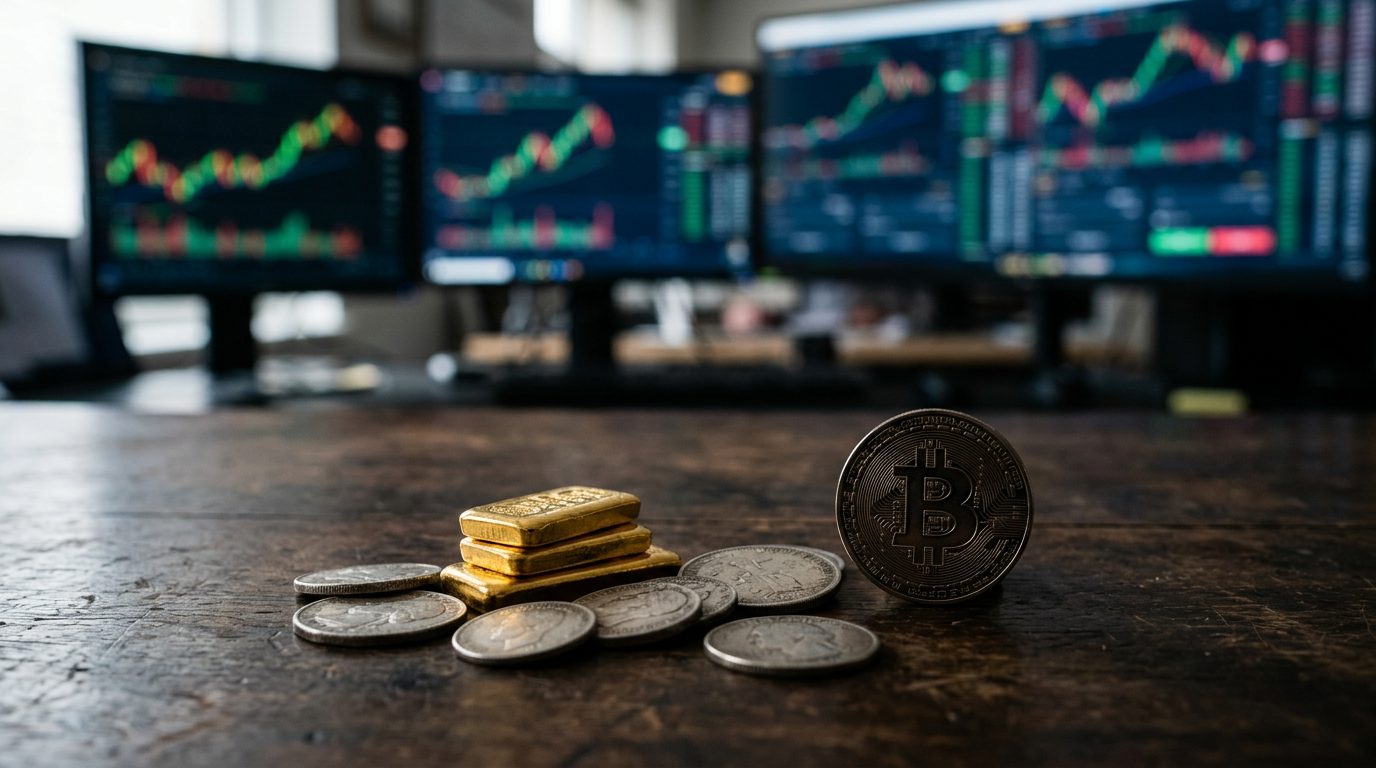
Gold and silver keep fighting around potential bottom zones. Oil-driven currency risk makes gold priced in lira more sensitive to moves in the ounce price and the exchange rate.
Bitcoin has lately been behaving like the Nasdaq. For about two weeks it has been testing the $81,500-82,000 zone; after a quick jump to $85,000 it came back to the same area. Market weight is concentrated in Bitcoin, Ethereum and XRP, while risk is rising in small altcoins. Ethereum has not recovered after its breakdown; XRP was rejected below its cloud zone, and Solana is trying to hold support.
Assets in Focus
| Asset | Outlook | Why? | Key Level |
|---|---|---|---|
| Brent oil | Positive | Rally continues, pushing costs up | $110 |
| S&P 500 | Watching | Selling pressure, crowded bearish bets | — |
| France 10Y bond yield | Under pressure | Budget deficit and political crisis | 5% |
| US housing | Negative | High mortgage rates, record-low sales | — |
| Gold / silver | Watching | Fighting around a potential bottom | — |
| Bitcoin | Neutral | Moving like the Nasdaq, looking for direction | $82,000-82,200 |
| Ethereum | Under pressure | No recovery after the breakdown | — |
What to Watch
- Whether Bitcoin’s daily closes stay above $82,200 will set the short-term direction.
- If cost pressure in producer prices passes into consumer inflation, the chance of a Fed hike grows.
- If weakness in housing and credit combines with high inflation, stagflation risk comes to the fore.
This note was compiled from open-source data and content on the internet; it is not investment advice.
This article is for general information only and is not investment advice.