The minimum payment trap: the fastest way to clear credit card debt

When your statement arrives you see two numbers: the statement balance and the minimum payment. Paying the minimum keeps your card from going overdue, but the rest of the balance carries over to next month with interest. Shrinking the debt takes much longer than expected.
Why does it shrink so slowly?
Take a simple example. You owe $3,000 on your card and the interest rate is 2% a month (the rate is an example; your bank sets the actual rate).
- If you pay only $600 this month, the remaining $2,400 accrues a month of interest: about $48.
- Fees and taxes may be added on top. On the next statement your debt has not fallen by as much as you paid.
- If you keep using the card in the meantime, the debt may not shrink at all.
In other words, the minimum payment is not a plan to clear your debt; it is a tool to avoid being late.
First, stop the spending
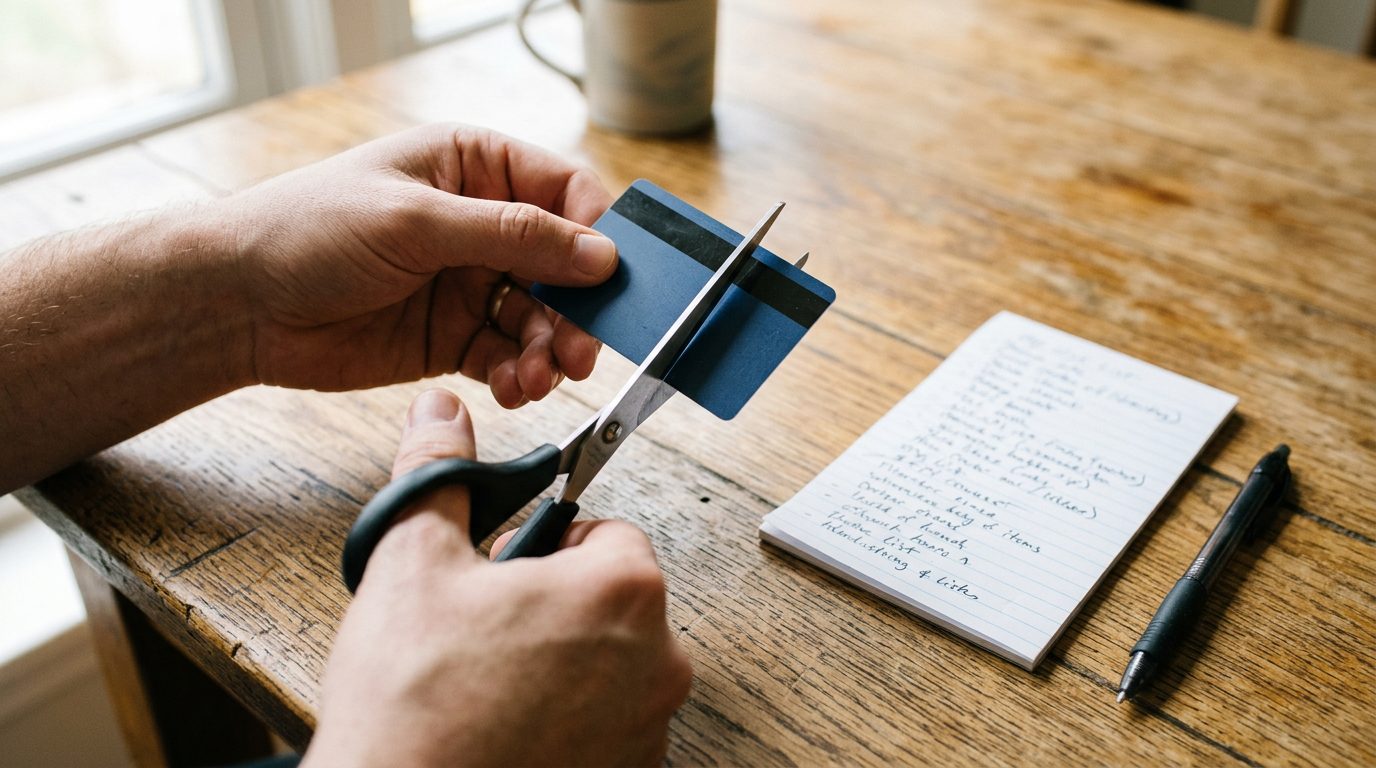
The first step in clearing debt is not adding new debt. If you cannot drop the card entirely:
- Put automatic payments and subscriptions on a single card and stop using the others.
- Pause instalment purchases for a while. Every new instalment spends future months’ budgets in advance.
- Use a debit card or cash for everyday spending.
Two methods: avalanche and snowball

If you have more than one card or loan, after paying all the minimums you need to decide where the extra money goes.
Avalanche method (highest interest first): You put the extra money on the debt with the highest interest rate. Mathematically, this method costs you the least interest.
Snowball method (smallest balance first): You put the extra money on the smallest debt. When one debt is fully paid, motivation rises and you add that payment to the next one.
If the interest rates are close, snowball usually works better; if they are far apart, avalanche does. Whichever you choose, what matters is paying the same extra amount every month.
A debt payoff plan
- List all your debts: remaining balance, interest rate, minimum payment, due date.
- Decide how much you can put aside each month. Most of your budget’s savings bucket can go to this.
- Pick your method and write down the order.
- When a debt is paid off, move its payment to the next one. Your payment never shrinks and debts get cleared faster and faster.
- Keep a small emergency fund. An unexpected expense should not force you back onto the card.
Restructuring and loans
Some banks offer to split card debt into instalments or pay it off with a lower-interest loan. This can make sense if it lowers the total interest, but only if you will not fill the card up again. Otherwise you carry the same debt twice.
In short
Every extra dollar you pay above the minimum is a direct saving on interest. See all your debts in one list, pick a method and, as each debt closes, send the freed-up money to the next one.
This article is for general information only and is not investment advice.